


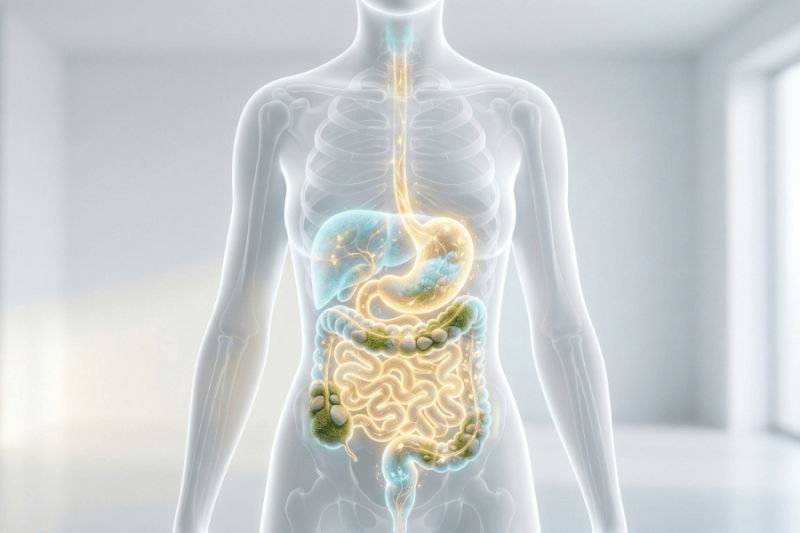
If you’ve been struggling with persistent digestive issues, you know it’s about much more than just a "sensitive stomach." It’s about the mental load of always scanning for the nearest exit, the frustration of unexplained exhaustion, and the quiet resilience it takes to manage a body that feels like it’s at war with itself. When the immune system mistakenly targets the digestive tract, it leads to a condition known as Crohn's disease.
Navigating this diagnosis is a deep personal journey. It’s not just a medical checklist; it’s a process of learning how to advocate for your own health while reclaiming your quality of life.
What Exactly Is It?
To move forward, we must start with the most basic question: what is Crohn’s disease?
Think of it as a chronic, long-term inflammation of the digestive tract. It belongs to a group of conditions called Inflammatory Bowel Disease (IBD). What makes it unique—and sometimes tricky—is that it can affect any part of the digestive system, from the mouth all the way down.
Unlike other conditions that affect the entire colon uniformly, Crohn’s disease is often "patchy." You might have a stretch of inflamed tissue followed by a section that is completely healthy. Because it can also strike deep into the layers of the intestinal wall, it requires a specific, personalized approach to management.
Recognizing the Signs
Because everyone’s body is different, Crohn’s disease symptoms rarely look the same for two people. Most people live through a cycle of "flares" (active symptoms) and "remission" (periods of relative calm).
If you are trying to make sense of what’s happening in your body, these are the common indicators:
-
Persistent Pain and Cramping: This isn't your typical stomachache. It’s often a deep, sharp, or cramping sensation, frequently localized in the lower right side of the abdomen.
-
The Weight of Fatigue: This is more than just being tired. It’s a heavy, bone-deep exhaustion caused by the body’s constant effort to fight internal inflammation.
-
Unpredictable Digestion: Chronic diarrhea and an urgent need to find a restroom are often the most disruptive parts of daily life.
-
Unexplained Weight Loss: When your system is inflamed, it struggles to absorb the nutrients from your food, which can lead to weight loss even if you’re trying to eat well.
Why Does This Happen?
One of the most important things to remember is that this isn't your fault. For a long time, people wrongly blamed stress or a "bad diet" for the condition. While those factors can make things worse, they aren't the cause.
Today, we know it’s a complex mix of:
-
Immune System Confusion: Your immune system is designed to protect you, but in this case, it gets confused and starts attacking the healthy bacteria and cells in your gut.
-
DNA and Heritage: If you have a family member with IBD, you’re more likely to have it, suggesting that our genetics play a role.
-
The World Around Us: Everything from the air we breathe to the habits we have (like smoking) can influence how the disease behaves.
Finding Your Path: Crohn’s Disease Treatments
The goal of modern Crohn’s disease treatments has shifted significantly. It’s no longer just about stopping the immediate pain; it’s about reaching "mucosal healing» giving your digestive tract the chance to actually repair itself.
-
Taming the Flame: The first step is usually to quiet the immune system. When the inflammation goes down, the tissue can heal, and the symptoms naturally begin to fade.
-
The Power of "Gut-Rest" and Nutrition: Food can be a powerful ally. During a flare, many people switch to a low-residue diet—avoiding things like seeds, nuts, and raw greens—to give the intestines a break. It’s about eating what makes your body feel safe.
-
Mind-Gut Connection: Our brains and our bellies are constantly talking to each other. Managing stress through light movement or mindfulness can help calm the physical symptoms in your gut.
-
When Surgery is a Solution: Sometimes, a part of the intestine becomes too damaged to function. While surgery sounds daunting, for many, it is the "reset button" that allows them to return to a life of remission and freedom.
A diagnosis of Crohn’s disease is a life change, but it doesn't have to be a life sentence. By paying close attention to your Crohn’s disease symptoms and working with a care team that listens to you, you can find a rhythm that works.
We live in an era where treatments are more advanced and personalized than ever. With the right tools and a little self-compassion, you can move past the "maze" and back into the driver's seat of your life.


