


Most of us don’t think much about our spine until something starts to hurt. Maybe it’s a dull ache after a long day at the computer. Or a stiffness that makes it hard to turn your head in the morning. At first, you tell yourself it’s nothing — just tension, just fatigue. But then, the pain starts showing up more often.
That’s when many people discover they have osteochondrosis. And while the name might sound complicated, it’s really your body’s way of saying: I need a little care.
What Is Osteochondrosis?
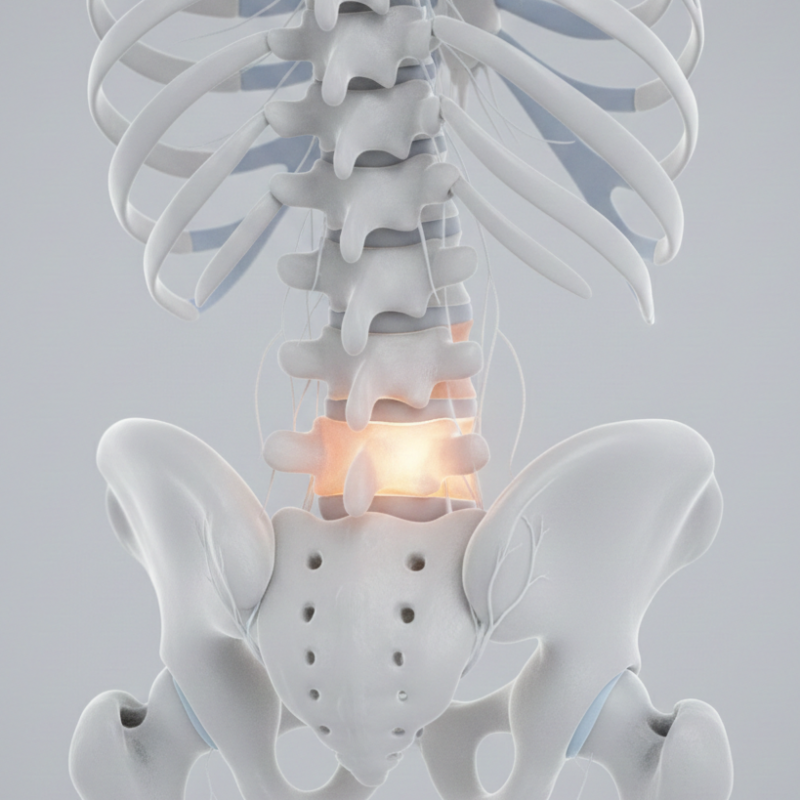
So, what is osteochondrosis exactly? It’s a condition that affects your spine — the strong, flexible structure that holds you upright. Between every pair of bones in your back are small discs that act like cushions. They absorb shock, keep your back flexible, and protect the nerves that run through your body.
But over time, those discs can start to wear down. They lose moisture and elasticity, and the bones begin to press closer together. That’s when pain, stiffness, and nerve irritation appear.
Simply put, osteochondrosis of the spine means the spine’s natural support system is getting tired — and needs help to heal.
Why It Happens
There’s rarely one single reason. Usually, osteochondrosis develops slowly, as small habits pile up over the years.
-
Sitting for hours without breaks
-
Slouching or poor posture
-
Lack of regular movement or exercise
-
Old injuries that were never fully healed
-
Carrying extra weight
-
Daily stress and tension that tighten muscles
Think of your spine like a tree trunk. It needs flexibility, movement, and support to stay strong. When we stop giving it that, the “roots” — our discs and joints — begin to weaken. That’s when osteochondrosis spine problems appear.
How It Feels
At first, osteochondrosis can be subtle. Maybe your neck feels tight. Maybe you wake up with back pain that fades after a few minutes. But over time, the signs become clearer.
-
A constant ache in the neck, shoulders, or back
-
Pain spreads into the arms or legs
-
Numbness or tingling in the hands or feet
-
Headaches that start at the back of the head — known as osteochondrosis headache
-
A feeling of stiffness or reduced flexibility
It’s easy to ignore these things — we all have busy lives. But your spine never complains without a reason. Every ache is a quiet message that something needs attention.
Diagnosis and Understanding
When you visit a doctor, they’ll first listen — to how you feel, what your days look like, and what kind of pain you’re experiencing. Then they might suggest imaging tests like an X-ray or MRI to see what’s happening inside your back.
But a good doctor won’t just look at your spine — they’ll look at your lifestyle too. How long do you sit each day? What kind of work do you do? Do you rest properly? Because most of the time, osteochondrosis of the spine develops from the way we live, not from a single injury.
How Osteochondrosis Is Treated
The best part is — osteochondrosis can be treated. And no, that doesn’t always mean surgery.
Treatment usually starts simple, with a focus on healing, balance, and movement:
-
Relieving Pain Anti-inflammatory medication, physical therapy, or gentle massage help ease the discomfort and calm muscle tension.
-
Rehabilitation Specific exercises strengthen the muscles around your spine and help restore flexibility. This is where real healing begins.
-
Lifestyle Adjustments Learning how to sit correctly, take breaks during work, and stay active keeps the spine healthy for the long term.
-
Long-Term Care Regular stretching, yoga, swimming, or just mindful movement can keep your spine strong and pain-free.
Healing takes time — but it happens. Slowly, your body learns to trust movement again.
Can You Prevent It?
Yes — and prevention is often easier than treatment. Small daily habits make a big difference:
-
Move every hour, even just for a minute or two.
-
Keep your back straight and shoulders relaxed.
-
Strengthen your core — your spine’s natural armor.
-
Sleep on a supportive mattress.
-
Don’t ignore small aches. They’re your body’s early warnings.
Taking care of your spine is one of the best gifts you can give yourself.
Osteochondrosis isn’t just a medical term. It’s a reminder — that your body needs movement, care, and rest. The more we understand it, the more we realize that healing starts long before any treatment. It starts when we decide to listen.
If you’ve been feeling pain or tension in your neck or back, don’t wait for it to get worse. Your spine carries you through life — every step, every task, every dream.
Take a moment today to straighten your posture, stretch, breathe deeply, and give it the care it deserves. Because when your spine feels strong, the rest of you follows.


