


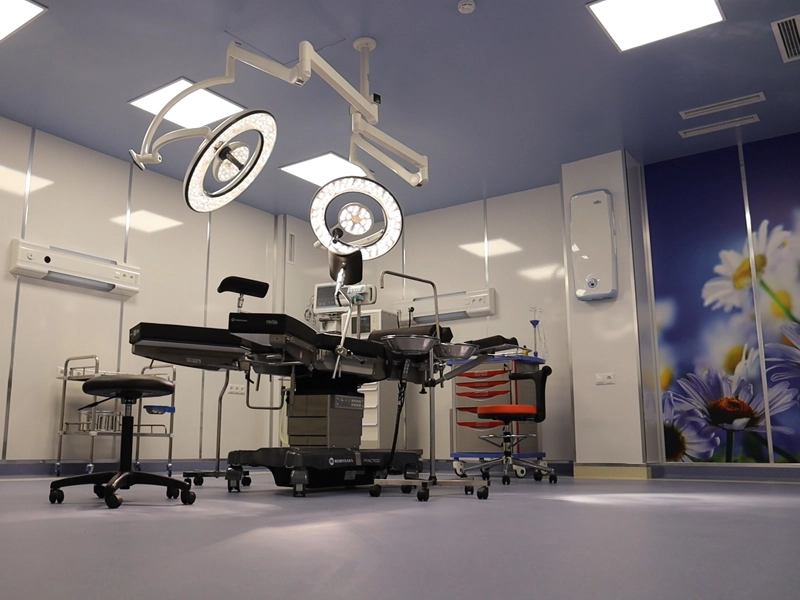
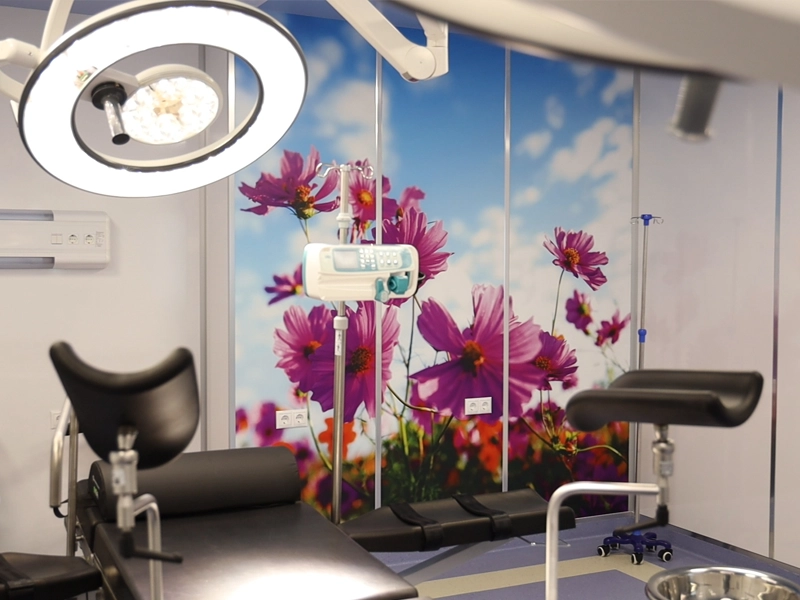
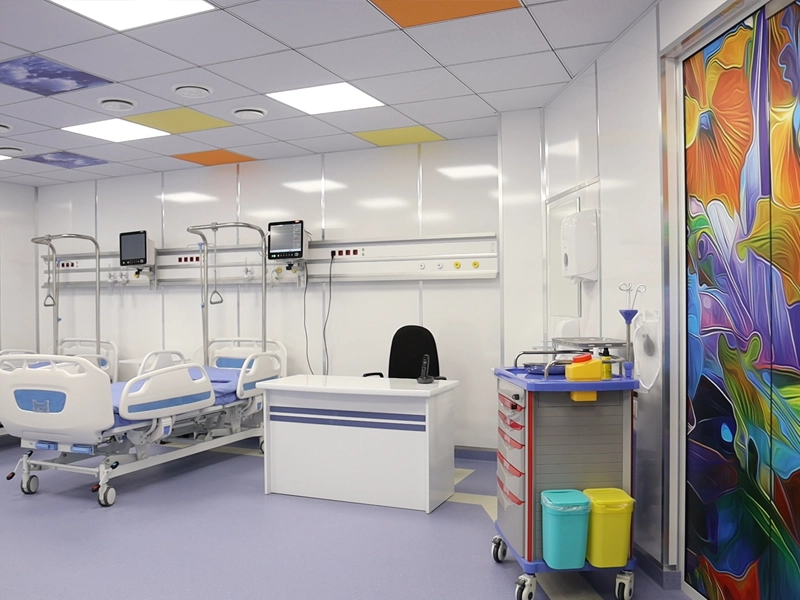
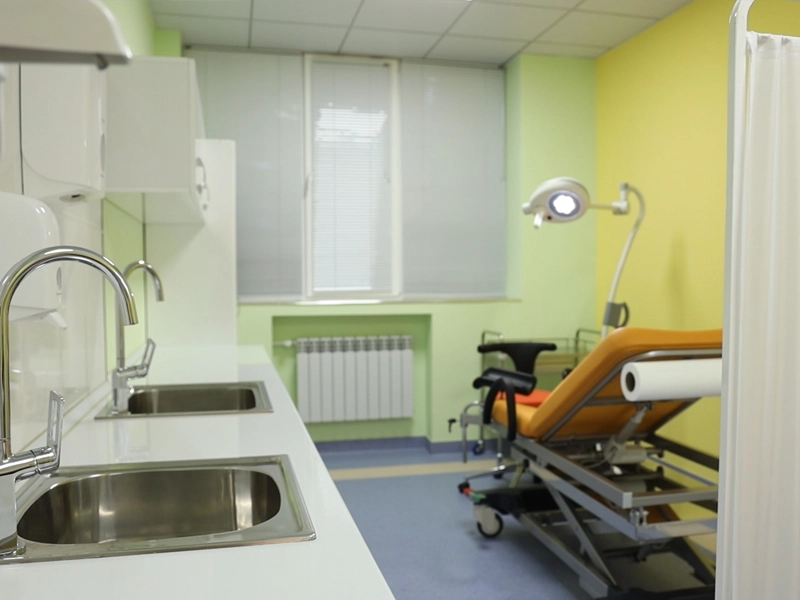
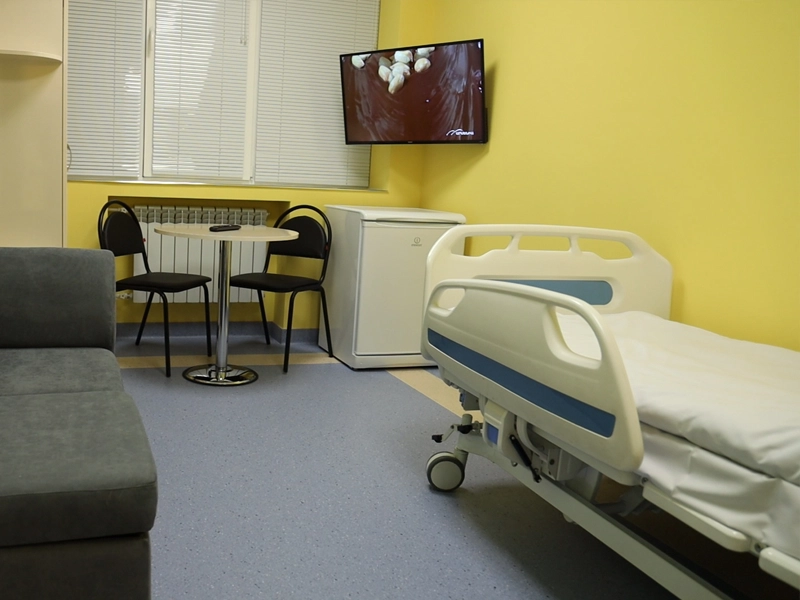

In the Department of Gynecology surgical and conservative treatment of gynecological diseases is carried out. Conservative treatment is used for the treatment of menstrual disorders, inflammatory diseases of the female genital organs, infertility, miscarriages and others.In the Department of Gynecology the examination and treatment of patients with the following pathologies are carried out:
- adenomyosis and external genital endometriosis
- benign and malignant tumors of the genitals
- chronic pelvic pain
- reproductive disorders (infertility, miscarriage, ectopic pregnancy)
- pelvic inflammatory diseases
- intrauterine pathology (uterine fibroids, endometrial polyps, etc)
- congenital anomalies of the female genitalia
- Sclerocystic ovary syndrome
- pelvic organ prolapse (prolapse of the vaginal walls and he uterus)
- urination disorders
In the Department, procedures are performed by hysteroscopic and laparoscopic approaches.In the Department, complex surgical procedures are performed using the laparoscopic approach.
- hysterectomy (removal of the uterus)
- Subtotal laparoscopic hysterectomy (supravaginal amputation of uterus)
- total laparoscopic hysterectomy (extirpation of the uterus)
- laparoscopic-assisted vaginal hysterectomy
- myomectomy (removal of myomatous nodes, as well as during pregnancy)
- surgery in external genital endometriosis
- correction of pelvic organ prolapse using a synthetic mesh
The department also performs laparoscopic procedures on the uterine appendages.
- surgery in tubal infertility
- laparoscopy in ectopic pregnancy
- conservative plastic surgery in tubal pregnancy
- surgery in acute inflammatory diseases of the uterine appendages
- Laparoscopic surgery on ovaries
- Surgery on the ovaries in polycystic ovary syndrome
- laparoscopic surgery in ovarian apoplexy
- laparoscopic surgery in torsion of the uterine appendages
- aparoscopic surgery in ovarian cysts of various sizes and different etiology (origin)
- laparoscopic surgery on uterine appendages, in ovarian cysts in pregnant women with gestational age less than 20-22 weeks
Price list
Oncocytology: uterine cavity aspirate, lesion punctate, endoscopic biopsy, and cytological examination of fluids
5,000
Sexually transmitted infections panel (12 pathogens)
25,000
Human papillomavirus (HPV) types 16, 18, 31, 33, 35, 39, 45, 51, 52, 56, 58, 59
10,000
Mycoplasma
6,000
Radiographic examination of the uterine appendage cavities
10,000
Pre-examination by the service head
20,000
Pre-examination by a physician
15,000
Colposcopy
15,000
Biopsy for diagnostic purposes
10,000
Hysterosalpingography
40,000
Cost of 1 day of treatment (including medications, excluding diagnostic tests)
30,000
Cost of 2 days of treatment (including medications, excluding diagnostic tests)
60,000
Cost of 3 days of treatment (including medications, excluding diagnostic tests)
90,000
Tips before a medical examination
Preparation for Gynecological Ultrasound Examination
Gynecological ultrasound is a diagnostic method used to examine the pelvic organs. It provides clear visualization of internal organs and enables the early detection of potential conditions. The procedure is painless, quick (approximately 10–15 minutes), and offers comprehensive information about the condition of the female reproductive system.
Gynecological ultrasound is generally performed on days 5–8 of the menstrual cycle. If the examination is scheduled on other days of the cycle, this should be discussed with the attending physician.
Methods of Gynecological Ultrasound Examination
Gynecological ultrasound may be performed using three approaches:
- Transabdominal (abdominal)
- Transvaginal (vaginal)
- Transrectal
Transabdominal and transrectal ultrasound examinations are primarily performed in cases where the patient is not sexually active.
For sexually active women, transvaginal ultrasound is typically recommended.
Preparation Guidelines
For Transabdominal (Abdominal) Ultrasound:
- Drink approximately 1 liter of water two hours before the examination.
- Present with a full urinary bladder.
For Transvaginal (Vaginal) Ultrasound:
- Present with an empty urinary bladder.
For Transrectal Ultrasound:
- Present with empty bowels.
Ultrasound examinations at the Maternity Hospital of “Erebuni” Medical Center are performed using state-of-the-art General Electric Voluson ultrasound systems — expert-class E8, E10, and E22 equipment.
These advanced systems integrate cutting-edge technologies, ensuring exceptional image quality and high diagnostic accuracy.


