


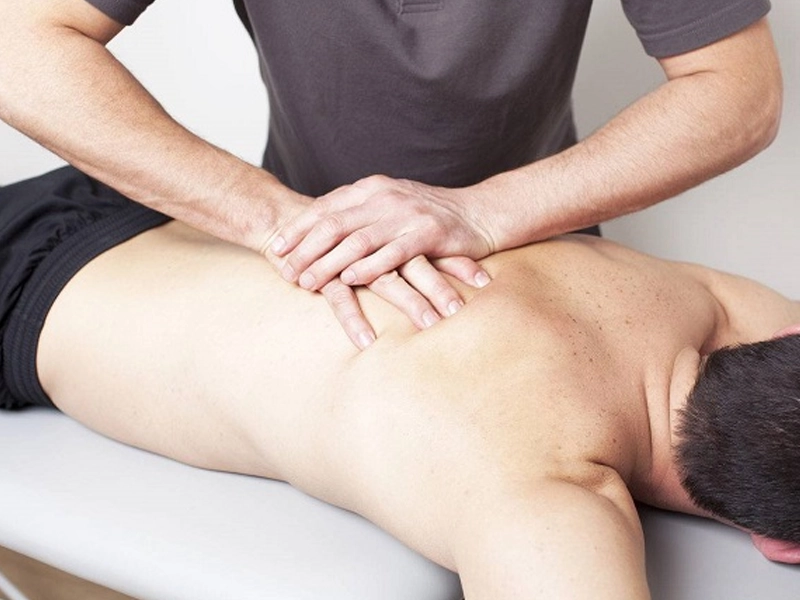
Physiotherapy is a comprehensive set of treatment methods for various diseases using physical factors. These include electrical current, magnetic radiation, heat, air, light, and others.
Physiotherapy is an integral part of the rehabilitation period after severe injuries.
In the physiotherapy service, medical care is provided through the use of rehabilitative and preventive measures, therapeutic physical training, and physical exercises. Physiotherapy procedures are generally painless, do not cause allergic reactions, and have no side effects. However, most of them have contraindications, so it is important to consult a physiotherapist before starting physiotherapy.
Treatment is provided for the following conditions:
-
Diseases of the musculoskeletal system
-
Diseases of the nervous system (neuritis, neuralgia, plexitis, myelitis, encephalopathy, migraine, neuropathy, rehabilitation of patients with traumatic brain injuries, cerebrovascular diseases, impaired venous outflow from the cranial cavity)
-
Cardiovascular system diseases (chronic ischemic heart disease, atherosclerotic cardiosclerosis, hypertension, hypotension, neurocirculatory dystonia (NCD), rehabilitation after acute myocardial infarction)
-
Musculoskeletal disorders (non-specific arthritis, polyarthritis, deforming spondylitis, spondyloarthritis, spondylosis, osteochondrosis, intervertebral hernia, radiculitis, post-traumatic and post-operative diseases of the spine and joints, etc.)
-
Digestive system diseases (chronic gastritis, gastric and duodenal ulcer disease, diseases of the liver and gallbladder, pancreas, intestines, etc.)
-
Female reproductive system conditions (chronic inflammatory diseases of the female genital organs, adhesive disease of the pelvic organs, rehabilitation after abortions and other pelvic surgeries)
-
Upper respiratory tract diseases (chronic bronchitis, tracheitis, bronchial asthma, pneumonia, etc.)
-
Urological and nephrological (kidney) diseases (urolithiasis, cystitis, prostatitis, urethritis, pyelonephritis)
-
ENT diseases (sinusitis, maxillary sinusitis, vasomotor and allergic rhinitis, otitis, pharyngitis, laryngitis, etc.)
-
Preoperative and postoperative rehabilitation of surgical patients
-
Proctological diseases (hemorrhoids, paraproctitis, anal fissures)
-
Endocrine syndromes and diseases (hypogalactia—insufficient lactation, hypergalactia, diabetes mellitus, diabetic polyneuropathy, metabolic syndrome)
The following treatment methods are widely used in the physiotherapy service:
-
Electrotherapy (galvanization)
-
Electrophoresis of medications
-
Diadynamic therapy, amplipulse therapy
-
Electrosleep
-
Combined ultrasound therapy
-
Low-frequency magnetotherapy (alternating magnetic field, traveling magnetic field, rotating magnetic field, constant magnetic field)
-
Electrical currents and electromagnetic fields
-
Laser therapy
-
Inhalations
-
BEMER therapy (low-frequency bioresonance magnetotherapy)
-
Pressotherapy
-
Manual massage
-
Individual therapeutic exercise sessions
-
Kinesiotherapy
-
Gym-based rehabilitation exercises


